

The Allure of Chance
Casino games possess a magnetic attraction that draws individuals into their vibrant and often chaotic environments. This allure largely stems from the thrill of chance and the potential for unexpected rewards, especially at places offering neosurf casino instant withdrawal options. The excitement of placing a bet, rolling the dice, or spinning the roulette wheel taps into our innate desire for risk-taking. This behavioral phenomenon is primarily linked to the brain’s reward system, where dopamine is released upon experiencing wins, irrespective of their size. This biochemical response fosters a compelling connection that encourages players to return, seeking the euphoric high associated with winning.
The innate desire to take risks is deeply ingrained in human psychology, and for many, the casino acts as a controlled environment where this behavior can be expressed safely. The amalgamation of bright lights, enticing sounds, and the tactile experience of playing creates a stimulating atmosphere that perpetuates the excitement. Gambling activates areas of the brain associated with reward, making it a powerful avenue for escapism. As players engage in various games, they often become so engrossed that they lose track of time, completely immersed in the thrill that the unpredictability of the games offers.
Moreover, the social dimension of casino gaming plays a substantial role in its allure. Many individuals find joy in the collective experience of placing bets alongside others, sharing in the celebration of wins, or offering support during losses. This camaraderie can significantly enhance the overall experience, as social connections are formed and nurtured within the casino environment. Consequently, the integration of personal thrill and social interaction makes casino games a unique psychological experience, reinforcing their widespread appeal across different demographics.
The Illusion of Control
One of the most intriguing psychological phenomena observed in casino games is the illusion of control that players often perceive. Many individuals genuinely believe that they can influence the outcomes of games, particularly those based on chance, such as slots or roulette. This belief is not merely a whimsical fancy; it is rooted in cognitive biases that create a false sense of mastery over random events. For instance, a player who recalls a particular strategy that led to a win may mistakenly attribute their success to skill rather than luck, which only serves to reinforce their desire to engage in the game again.
The illusion of control can manifest in various ways. Players frequently develop rituals or superstitions that they believe will augment their chances of winning. For example, a gambler may insist on wearing a “lucky” shirt or employing a specific greeting towards the dealer before commencing their game, convinced that these actions will sway the outcomes in their favor. This psychological response underscores how the human mind seeks patterns, even in situations that are fundamentally governed by randomness, and can lead to repeated gambling behavior in hopes of replicating past successes.
This illusion is further exacerbated by the near-miss effect prevalent in many casino games. When players experience a near-win, their brains react similarly to how they would with an actual victory, reinforcing the urge to continue gambling. This creates a compelling cycle where players feel driven to keep playing, convinced that a win is just on the horizon. Understanding these psychological underpinnings can help individuals recognize the cognitive biases at play and encourage more mindful gambling practices, ultimately leading to healthier gaming experiences.
The Role of Environment
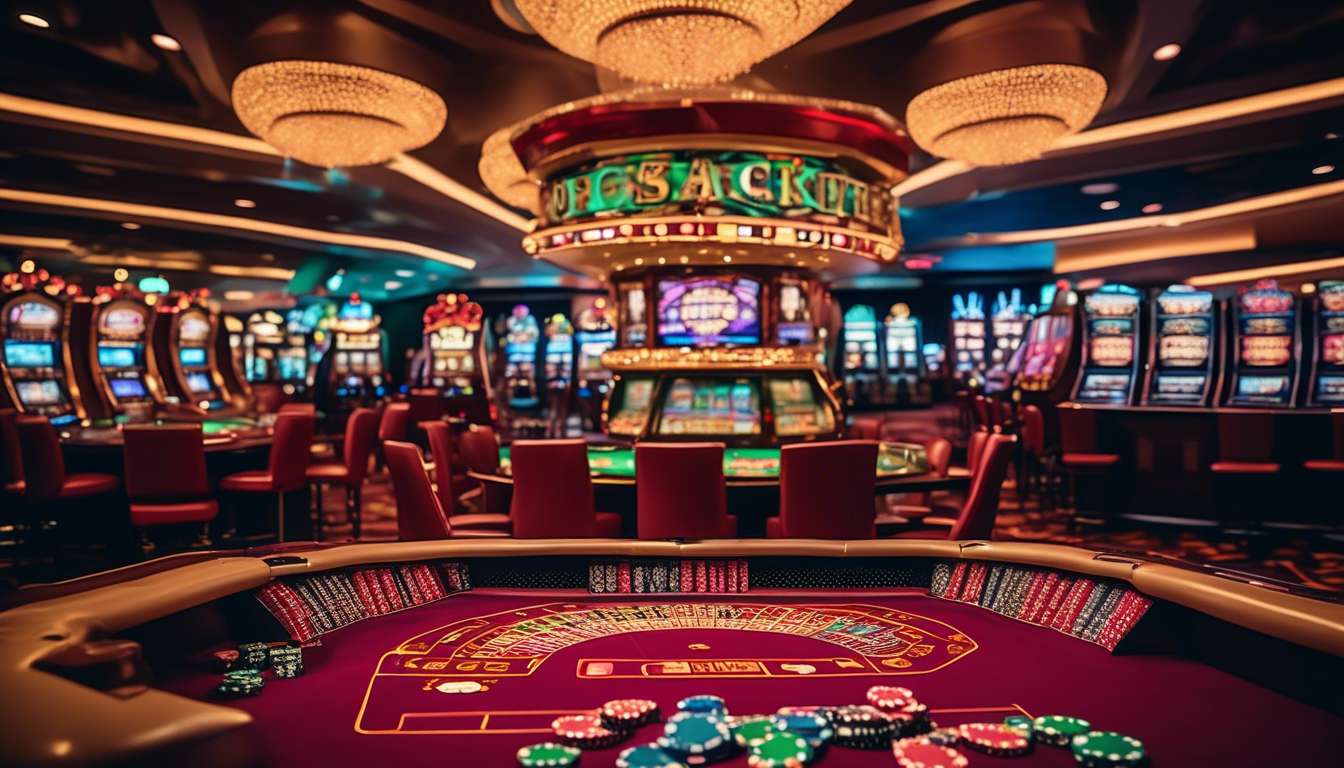
The environment within a casino is meticulously crafted to enhance the gaming experience and influence player behavior. From the arrangement of games to the strategic positioning of machines and tables, every element is designed to maintain player engagement. Bright colors, captivating sounds, and the intentional absence of clocks contribute to a sensory overload that keeps players entirely immersed in the experience. This deliberate sensory experience can create a disconnection from reality, leading participants to lose track of both time and money spent while gambling.
Additionally, casinos frequently employ specific tactics to encourage prolonged play. Complimentary drinks and snacks foster a hospitable atmosphere that may prompt players to extend their visits. The availability of comfortable seating and diverse entertainment options further establish a relaxed environment where gambling becomes the primary focus. The artful manipulation of the casino’s environment effectively reinforces behaviors associated with gambling, making it increasingly difficult for players to leave once they have started.
Research in psychology has shown that environmental factors can dramatically influence decision-making. The design of a casino is inherently purposeful, aiming to elicit positive emotions while minimizing any discomfort or frustration. For example, the use of soft lighting can enhance feelings of comfort and contentment, while the sound of coins cascading into a tray can evoke sensations of success. Each of these factors works in concert to create an environment where players feel not only welcome but also compelled to continue their gaming activities.
The Impact of Winning and Losing
The psychological impact of winning and losing in casino games significantly shapes player behavior. The experience of winning, no matter how minor, can trigger a cascade of positive emotions and reinforce the desire to continue playing. Winning releases feel-good hormones in the brain, fostering a sense of accomplishment that compels players to return to the gaming floor. This reinforcement mechanism is crucial for casinos, as they heavily rely on the excitement generated by wins to keep players engaged over extended periods.

On the flip side, losing can evoke a spectrum of emotions, ranging from disappointment to frustration. However, many players might not immediately link their losses to a need to cease gambling. Instead, the urge to recover lost funds can lead to a behavior known as chasing losses, where individuals persist in gambling with the hope of regaining what they have lost. This behavior can result in significant financial and emotional repercussions, creating a cycle that is often challenging to break.
Understanding the psychology surrounding winning and losing can empower players to make more informed decisions regarding their gambling habits. Recognizing when emotions begin to influence gambling behavior is a vital tool for maintaining control over one’s actions. By acknowledging the emotional highs and lows associated with gaming, individuals can cultivate healthier relationships with gambling, ensuring that it remains a source of entertainment rather than a pathway to potential harm.
The Importance of Responsible Gaming
As we delve deeper into the psychology behind casino games, it becomes apparent that understanding these underlying mechanisms is crucial for fostering responsible gaming practices. Players must develop self-awareness about their motivations and the emotional triggers that accompany gambling. This awareness can enable individuals to make conscious choices regarding their engagement with casino games and establish boundaries that protect them from excessive gambling.
Setting limits is an essential first step in promoting responsible gaming. Players should be encouraged to establish pre-determined budgets and time constraints before participating in gaming activities. By doing so, they can mitigate the risks associated with impulsive betting and the emotional responses tied to wins and losses. Additionally, seeking support from friends, family, or professional resources when gambling begins to feel overwhelming is critical in maintaining a balanced approach toward gaming.
In conclusion, the psychology behind casino games is complex and multifaceted, intertwining elements of chance, illusion, environment, and emotional response. Understanding these factors can empower players to engage in gambling responsibly while appreciating it as a form of entertainment rather than a financial strategy. Ultimately, fostering a healthier perspective on gaming can lead to more enjoyable experiences and help mitigate the risks often associated with gambling.